Palma
Back to all places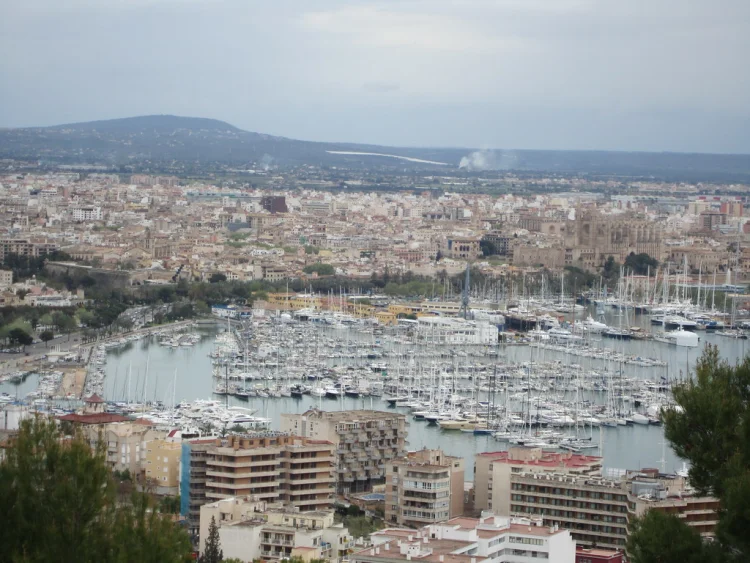
Palma, the capital of the Balearic Islands, is a city steeped in history and cultural significance.
Situated on the picturesque south coast of Mallorca, the city has served as a pivotal center throughout various historical epochs. Its origins can be traced back to its establishment as a Roman settlement in the 2nd century BC.
Palma’s strategic location made it a target for numerous invasions, including those by the Vandals and Byzantines. However, it was the Moors who left an indelible mark on Palma’s architecture and culture during their rule from the early 8th to the 13th century, when the city was known as Medina Mayurqa.
The 13th century marked a significant turning point in Palma’s history as it was reconquered by James I of Aragon in 1229, ushering in a period of prosperity and architectural renaissance. This era saw the construction of imposing structures such as the Cathedral of La Seu, Bellver Castle, and the Almudaina Palace.
In the late Middle Ages, Palma’s advantageous location ensured its role as a central hub for commerce across the Mediterranean. Palma continued to thrive, despite the turmoil of anti-Jewish riots in 1391 and its association with piracy in the 16th century.
The city adapted and transformed over the centuries, including integrating itself within the modern Spanish state in the 19th century and experiencing a significant cultural shift during the mass tourism boom of the 20th century.
Today, Palma is recognized for its cultural heritage, vibrant economy largely based on tourism, and as a center for diverse population that contributes to the city’s rich tapestry of urban life.
Visitors are drawn to its historic neighborhoods, luxurious beaches, and vibrant cultural scene, which reflect its storied past and dynamic contemporary identity.
Photo: eGuide Travel
39.57020, 2.64792