Minorca Island
Back to all places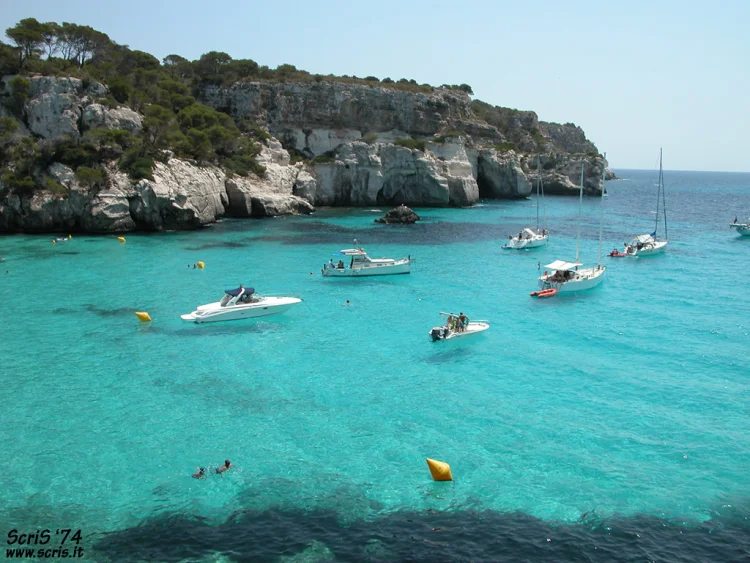
Minorca, a jewel in the Balearic Islands of Spain, boasts a rich tapestry of history, natural beauty, and cultural significance. Its landscapes are adorned with megalithic stone monuments, signifying its occupation since the Talayotic era, around 2000 BC. These ancient structures speak volumes about the island’s early inhabitants and their architectural ingenuity.
Over centuries, Minorca has been a point of interest for various civilizations, including the Phoenicians, Greeks, and Carthaginians, each leaving their mark. The Romans annexed Minorca around 123 BC, ushering in a new era of infrastructure and development. Evidence of their conquest remains through remnants of Roman archaeological sites scattered across the island. During the Middle Ages, the island was subject to numerous invasions, including incursions by the Vandals and Byzantines. By the 13th century, Minorca was incorporated into the Crown of Aragon and later became part of the Spanish Empire.
The island’s strategic location in the Mediterranean made it a coveted possession. In the 18th century, Minorca changed hands repeatedly during the War of the Spanish Succession and subsequent European conflicts, notably falling under British control from 1708 to 1802. Evidence of this period includes the distinct British colonial architecture in the capital, Mahón, and the construction of Fort Marlborough and St. Philip’s Castle.
In addition to its historical allure, Minorca is celebrated for its biodiversity and pristine beaches. Declared a UNESCO Biosphere Reserve in 1993, the island’s ecosystems are protected, offering sanctuaries for diverse flora and fauna.
Modern-day visitors to Minorca can enjoy its vibrant fiestas, delectable cuisine, and the stunning vistas offered by its landscape, making it an indispensable part of the Balearic Islands’ patrimony.
Photo: Cristian Santinon
39.89057, 4.26492