Manacor
Back to all places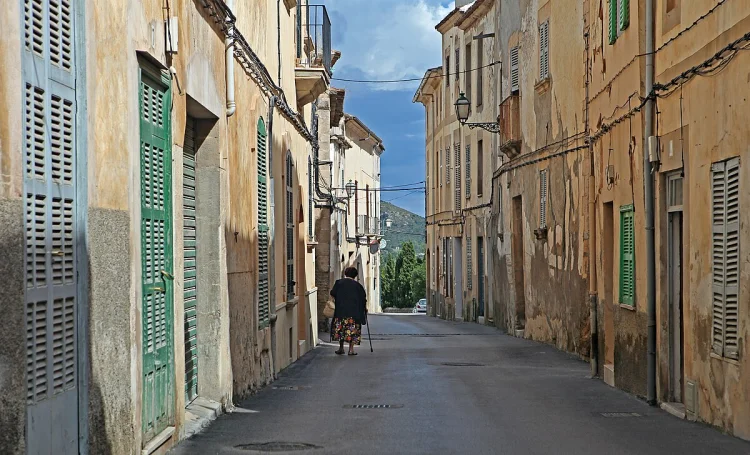
Manacor, a captivating town and municipality located on the island of Mallorca, stands as the second-largest on the island next to Palma. Renowned for its unique charm, it draws visitors to its plentiful attractions, including Porto Cristo, the home of the magnificent Caves of Drach, and the inviting shores of Cales de Mallorca. Every Monday morning, the bustling activity of one of the island’s most vibrant street markets can be experienced here.
Manacor is celebrated for its high-quality craftsmanship in wood furniture and the production of artificial pearls, a distinction that has a rich legacy. Human settlement traces back to 2000-1200 BC, with early constructions reflecting this period, including burial sites like cova de s’Homonet and living spaces akin to the naveta at sites like sa Marineta. The megalithic Talaiot culture left remarkable constructions such as s’Hospitalet Vell and es Boc.
Its history reveals a Roman presence in Porto Cristo and Christian communities evidenced by the basilicas of sa Carrotja and son Peretó. Post-Islamic rule, James I of Aragon’s conquest saw the land granted to Nuño Sánchez, with Manacor gaining municipal status by James II in 1300. The Torre del Palau and several fortified houses are remnants of early urban planning. The coat of arms, rooted in Catalan interpretation, signifies the town’s identity. Manacor’s medieval era was marked by figures like Simó Tort and moments like Saint Vincent Ferrer’s visit in 1414. The foundation of the convent and the baroque church in 1576 marks a significant religious development. By 1879, the railway linked Manacor to Inca, ushering modernization, followed by the 1890 construction of the parish church Nostra Senyora dels Dolors, with its emblematic 75-meter bell tower. The Majorica pearl factory’s establishment in 1897 cemented Manacor as a business hub. The 1936 Republican landing attempt in Porto Cristo during the Civil War remains a poignant historical incident, marked by the assassination of Mayor Antoni Amer Llodrà.
Geographically, Manacor is characterized by the flat region of the Pla, the gentle Serra de Llevant, and the Marina with its stunning limestone karsts. Its spectacular caves, including the renowned Dragon Caves, highlight its natural allure. The coastline features numerous picturesque coves, from S’illot to Cala Murada. The Mediterranean climate ensures hot, sunny summers and mild winters, with an average temperature around 16 to 17 °C.
Manacor’s landscape is mainly cultivated, boasting almond orchards, cereals, and vineyards. The Sa Cabana stream adds to the region’s picturesque landscape, ultimately joining the prominent Na Borges stream.
Photo: Bengt Nyman
39.56908, 3.21010