Artà
Back to all places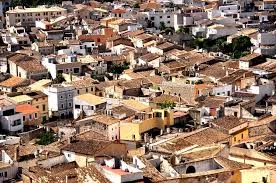
Artà, nestled in the northeastern region of Majorca, embodies a rich historical tapestry that attracts visitors with its scenic beauty and cultural allure. This autonomous municipality of Majorca serves as a testament to a dynamic past and vibrant present.
The Massís d’Artà dominates its geography, presenting an awe-inspiring landscape marked by rugged hills and unspoiled coastline stretching 25 kilometers along the Mediterranean, facing Menorca.
The region traces its roots back to the pre-Islamic era, with archaeological remnants like the Talaiot of Sa Canova highlighting settlement from as early as 1300 BC. Artà, first recorded as Yartân, bears a name evolution steeped in history, influenced by its Arab antecedents when the island was a part of the Islamic world from the 10th to the 13th centuries.
The Santuari de Sant Salvador fortress, an emblematic pilgrimage site, retains its 13th-century legacy, offering insights into its medieval past with a multihued Romanesque Virgin Mary statue said to have arrived with James I. The fortress provides a powerful view over the town, reflecting Artà’s strategic and spiritual heritage.
Artà thrived through the centuries, its population fluctuating through significant events like the bubonic plague in 1820 and saw agricultural and textile industries bloom. By the 19th century, territory shifts led to the creation of independent districts including Capdepera and Son Servera.
Artà’s natural reserves, such as the Parc Natural de la Península de Llevant, alongside historic architectural gems and thriving cultural locales like the Regional Museum of Artà, offer explorers an authentic journey through time.
Artà’s allure lies in its blend of ancient tradition and natural wonder, ensuring it remains a coveted destination for history enthusiasts and travelers alike.
Photo: Rinaldo Wurglitsch
39.69462, 3.35093